
Do Ashton Cigars Improve With Age? A Cellaring Guide for VSG, ESG, Cabinet, and Maduro
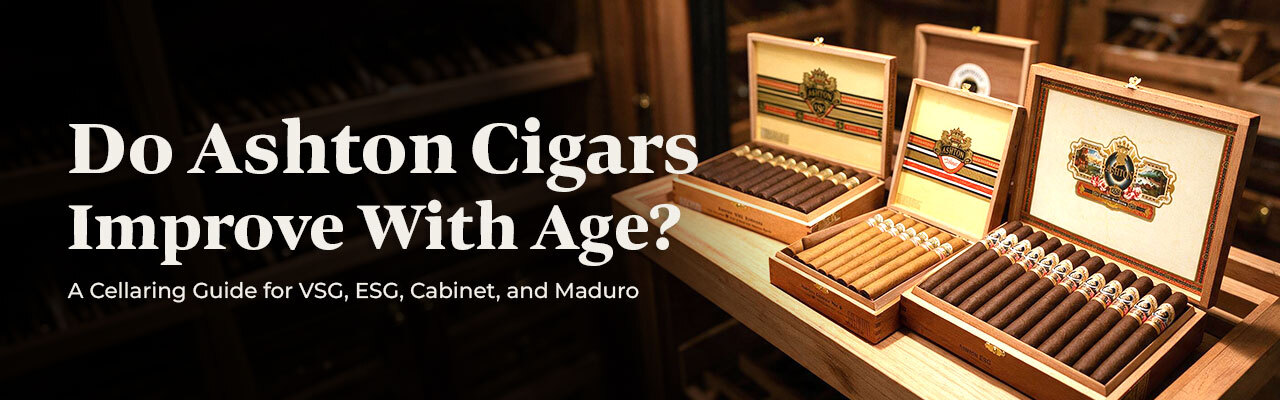
The Fuente family pre-ages Ashton tobacco for up to seven years; however, home cellaring serves as a critical second fermentation that can unlock entirely new flavor dimensions. You've likely felt the anxiety of sitting on a box of expensive VSG or ESG sticks, wondering if aging Ashton cigars will actually enhance the blend or simply risk a flavorless, dried-out investment. It's a common concern for collectors who want to ensure their premium sticks maintain their integrity over time.
This guide will show you how proper storage can transform your collection from great to world-class. We provide the exact humidor settings and timelines needed to master Dominican tobacco maturation without the guesswork. You'll discover the science behind flavor development and how to avoid the common pitfalls of inconsistent humidity.
We'll break down which specific lines like the Ashton Cabinet Selection, which features filler tobaccos aged for five to seven years, benefit most from further long-term storage. You'll gain a clear roadmap for cellaring that ensures your premium cigars deliver the maximum complexity and smoothness they were designed to achieve. From the spicy notes of the VSG to the creamy profile of the Cabinet, we'll explain what to expect after several years in your humidor.
Key Takeaways
- Distinguish between factory fermentation and the critical second fermentation that occurs during long-term humidor storage.
- Identify why the Ashton Cabinet Selection, featuring filler tobaccos aged for five to seven years, is the premier candidate for your cellar.
- Master the technical environment required for optimal tobacco maturation by keeping your humidor between 65% and 70% relative humidity.
- Learn how essential oils migrate through the binder and wrapper to create a balanced, complex flavor profile over several years.
- Start your collection with full boxes to ensure consistency while tracking the development of your aging Ashton cigars.
The Art of Aging Ashton Cigars: Why Patience Pays Off
Many enthusiasts believe a premium cigar is a finished product the moment it leaves the factory. While Ashton cigars are expertly rolled for immediate enjoyment, this perspective overlooks the transformative power of extended rest. Aging Ashton cigars isn't merely storage; it's a second maturation inside your humidor that acts as a Maturation Science: How Ashton Tobacco Evolves Over Time
The evolution of a premium cigar inside a humidor is a subtle chemical transformation. It is essential to distinguish this from factory processing: while factory fermentation relies on heat- and moisture-driven enzymatic breakdown of raw organic leaf material, home cellaring relies on ambient, low-temperature oxidation of volatile organic compounds (VOCs). Over time, tannins—which produce bitter, astringent qualities in younger tobacco—slowly degrade through oxidation, stripping away sharp edges to expose the blend's underlying complexity.
Essential oils serve as the primary engine of home maturation. In a stable environment, these heavy compounds migrate internally from the dense long-fillers outward toward the binder and wrapper, balancing the draw and smoke composition:
- Chlorophyll Dissipation: The gradual breakdown of remaining plant pigments, eliminating harsh "green" or grassy flavor notes.
- Internal Oil Integration: The slow migration of essential oils, harmonizing the wrapper, binder, and filler into a unified profile across every puff.
- Aromatic Synthesis: The merging of distinct Dominican tobacco varietals into a single, cohesive bouquet.
Note on the "Plume" Myth: Cigar culture historically misidentified white surface growth as "plume" or "bloom" (crystallized oils). Independent laboratory testing has confirmed that 100% of "plume" samples are actually mold spores. True tobacco maturation occurs exclusively on an internal chemical level; surface growth is never desirable and should be wiped off immediately.
The Role of Oils and Natural Sugars
As natural sugars within the tobacco leaf undergo slow oxidation over 6 to 12 months of rest, the smoke transitions from raw, vegetal characteristics toward deeper, toasted flavors. As harshness recedes, the natural sweetness of Ashton’s Dominican leaf comes forward, allowing distinct accents of cocoa, caramel, and sweet cedar to emerge clearly on the palate.
Dominican Tobacco Maturation Characteristics
Dominican leaf is renowned for developing a exceptionally creamy, smooth texture with age. Unlike Nicaraguan tobacco, which carries high nicotine and aggressive spice that matures quickly, Dominican leaf evolves gracefully over a much longer timeline. Built around this aged Dominican core, Ashton cigars rarely turn "flat" or lose their structural character when kept at proper humidity. Instead, initial strength recedes slightly to let nuanced aromatics shine, making them ideal candidates for multi-year cellaring.
ridge between factory fermentation and the peak flavor profile sought by connoisseurs.
This process reduces structural harshness while amplifying delicate secondary notes. Over one to two years of rest, flavors like cedar, roasted nuts, and heavy cream become noticeably pronounced. Essential oils from the wrapper, binder, and filler gradually "marry," integrating into a singular, harmonious profile that allows the cigar to reach its full potential.
Factory Aging vs. Home Cellaring
Understanding the difference between factory maturation at Tabacalera A. Fuente and home cellaring is essential for managing your collection:
- Factory Aging (Fermentation): Controlled processing of raw leaf prior to rolling. This relies on heat and moisture to remove impurities, off-gas ammonia, and balance leaf pH levels before rolling.
- Home Cellaring (Oxidation): Slow, ambient maturation of the finished stick. Relies on a cool, stable environment where the rolled cigar can slowly oxidize over months or years, rounding out bold profiles like the Ashton VSG.
The Ashton-Fuente Partnership Quality Standard
The Fuente family produces every Ashton cigar under exceptionally high maturation standards. Filler tobaccos in the Ashton Cabinet Selection, for example, are aged five to seven years before rolling, establishing a remarkably stable foundation for aging.
Because Ashton tobacco undergoes such extensive pre-aging, smokers bypass the "sick period"—a dreaded 3- to 12-month post-rolling phase where trapped residual ammonia off-gasses, causing harsh, metallic, or bitter flavors. Sourced from trusted retailers like Gotham Cigars, these well-aged Dominican long-fillers ensure home cellaring is predictable and rewarding. You aren't fixing a flawed product; you're elevating a masterpiece to its absolute limit through careful Cigar Flavor Development.
Choosing the Right Blend: Which Ashton Cigars Benefit Most?
Not every blend in the Ashton portfolio reacts to time the same way. Matching specific lines to their optimal aging windows prevents delicate wrappers from fading while ensuring full-bodied blends hit peak complexity.
Ashton Blend Aging Ceilings & Potential
| Line | Star Rating | Optimal Aging Window | Hard Aging Ceiling | Flavor Development Notes |
|---|---|---|---|---|
| Ashton Classic | ⭐⭐☆☆☆ | 0–12 months | 18 months | Fades rapidly past 18 months; light Connecticut wrapper lacks oil density. |
| Ashton Aged Maduro | ⭐⭐⭐✨☆ | 2–4 years | 5–7 years | Broadleaf wrapper marries smoothly with Dominican filler core. |
| Ashton VSG | ⭐⭐⭐⭐✨ | 2–5 years | 7–10 years | Tames aggressive Ecuadorian Sumatra spice into dark cocoa and espresso. |
| Ashton Cabinet Selection | ⭐⭐⭐⭐⭐ | 3–7 years | 10–15+ years | Six Dominican fillers continuously evolve into rich, sweet cream notes. |
| Ashton ESG | ⭐⭐⭐⭐⭐ | 4–8 years | 10–15+ years | High oil density from rare Dominican Sun Grown wrapper fuels decade-plus rest. |
The Aging Potential of Connecticut Shade Wrappers
The delicate Connecticut Shade wrapper used on the Classic and Cabinet lines demands strict humidity control. While the mild Ashton Classic quickly reaches its limit, the Cabinet Selection's dense core of six pre-aged fillers provides exceptional headroom. Over time, its profile shifts from sharp cedar to a silky, sweet creaminess often compared to a fine White Burgundy wine.
Vitola Size and Wrapper-to-Filler Ratios
When cellaring Ashton cigars, vitola choice significantly dictates maturation speed. Smaller ring gauges (such as the Tres Mystique) mature much faster than large formats (like a Churchill or Double Corona):
- Surface Area & Airflow: Thinner sticks allow higher oxygen exchange relative to total leaf volume.
- Wrapper-to-Filler Ratio: Smaller vitolas feature a substantially higher wrapper-to-filler ratio. Because essential oils are heavily concentrated in the wrapper, this higher ratio accelerates the oxidation of these rich oils, speeding up overall flavor integration and Cigar Flavor Development.
Perfecting the Process: Practical Tips for Ashton Humidor Aging
Precision storage is the baseline requirement for aging Ashton cigars. Due to their refined construction and thin wrappers, maintaining tight humidor tolerances is essential to prevent leaf splitting or flavor degradation. Always rely on a calibrated digital hygrometer rather than an uncalibrated analog gauge.
Optimal Climate Settings & Beetle Protection
While short-term resting handles the traditional "70/70" baseline (70°F and 70% RH), long-term cellaring requires a cooler, tighter environment:
- Relative Humidity: Maintain a 65–70% RH sweet spot. Excess moisture swells delicate Connecticut Shade wrappers, tightens the draw, and can ruin burn dynamics. For aging beyond five years, collectors prefer dropping humidity to 65% RH to prevent tobacco from becoming soft or over-saturated.
- Temperature Thresholds: Storing at 65°F–68°F (18°C–20°C) is significantly safer than pushing the classic 70°F upper limit. Dormant tobacco beetle (Lasioderma serricorne) eggs hatch at 72°F (22°C); keeping temperatures strictly below 68°F provides a necessary safety buffer to prevent destructive infestations.
Wood Species Specifics: Spanish Cedar vs. Red Cedar
Leaving Ashton sticks inside their original factory boxes creates an insulating micro-climate that cushions against rapid humidity swings. However, the specific wood lining your storage container matters:
- Spanish Cedar (Cedrela odorata): Despite its common name, Spanish Cedar is technically a hardwood in the mahogany family. It absorbs excess moisture evenly, discourages mold growth, and imparts a subtle, complementary spicy aroma that complements the creamy profile of Dominican leaf.
- Avoid American Red Cedar: Never store cigars in containers made of Aromatic American Red Cedar (Juniperus virginiana). Its intense, pungent resins will penetrate the leaf and permanently ruin the cigar’s natural essential oils.
Humidor Maintenance Checklist
To maintain an even aging environment and promote proper leaf oxidation:
- Rotate Inventory: Shift bottom-layer boxes or loose sticks to the top shelf every 3 to 4 months for even humidity exposure.
- "Burp" the Humidor: Open the humidor for two minutes periodically to clear out off-gassed organic compounds and introduce fresh oxygen needed for slow leaf oxidation.
- Enable Airflow: Avoid packing your humidor to full capacity; leave space between Spanish Cedar trays so air can freely circulate.
Curating Your Cellar: Selecting Ashton Cigars for Long-Term Storage
Building a world-class cellar requires a strategic approach to tracking, stabilization, and box selection. Success depends on establishing an accurate sensory baseline and maintaining consistent storage conditions from day one.
Transit Stabilization: The Mandatory Resting Window
Before lighting a baseline cigar or starting long-term cellaring, every shipped order requires a mandatory 2- to 4-week transit stabilization period. Shipping exposes cigars to unmonitored temperature shifts and humidity swings. Lighting a stick immediately upon delivery yields an unrepresentative, harsh, or uneven burn. Placing new arrivals directly into your humidor for 14 to 30 days re-establishes moisture equilibrium so you can accurately evaluate the tobacco's baseline profile.
Box Purchases and Factory Vintage Tracking
Professional collectors almost exclusively purchase full boxes to guarantee blend consistency across the same tobacco crop and rolling team. To track these aging investments effectively:
- Inspect Factory Box Stamps: Ashton boxes feature factory date codes and stamps on the bottom indicating the rolling date and facility.
- Log Crop Vintages: Record these factory stamps in your aging log to track specific harvest years, ensuring you can distinguish between different production runs over time.
- Document Bi-Annual Shifts: Record entry dates and conduct tasting notes at six-month intervals to track the evolution from sharp cedar to creamy, toasted nuances.
Recommended Ashton Candidates for Aging
- Ashton 5-Cigar Assortment: An ideal starter pack to observe how different wrapper varieties (from Connecticut Shade to Sun Grown) react over 6 to 12 months of rest.
- Ashton Cabinet Selection No. 8: A premier choice for multi-year cellaring due to its complex, six-leaf Dominican filler core.
- Ashton VSG Sorcerer: A large-format vitola featuring a thick, oily wrapper built for 3- to 5-year cellaring, providing a slow, cool burn that highlights emerging espresso notes.
Pre-Cellaring Integrity Checklist
- Stabilize New Arrivals: Rest shipped cigars for 2–4 weeks before conducting your initial tasting or long-term storage.
- Log Box Vintages: Record the factory code stamped on the bottom of the box into your cellaring logbook.
- Test Humidor Seal: Perform the "dollar bill test" along the humidor lid to ensure an airtight seal.
- Calibrate Sensors: Recalibrate digital hygrometers every six months to maintain precision within 1% RH.
- Maintain Buffer Supplies: Stock at least six months of distilled water or 65% Boveda humidity packs for uninterrupted environmental stability.
Master the Art of Your Private Ashton Cellar
Mastering the nuances of Aging Ashton Cigars transforms a standard smoking session into a masterclass in complexity. By focusing on high-potential lines like the Ashton Cabinet Selection and maintaining a stable humidor environment between 65% and 70% humidity, you unlock flavor profiles that only time can create. Remember to buy by the box to ensure consistency and keep an aging log to track the evolving refinement of those premium Dominican long-fillers.
Your journey toward a world-class cigar cellar starts with a foundation of quality and provenance. Gotham Cigars offers over 20 years of premium cigar expertise, ensuring every stick arrives from our climate-controlled warehouse with authenticity guaranteed. Don't leave your collection to chance; start with inventory that has been professionally maintained from the moment it left the factory.
Shop the Full Ashton Cigar Collection at Gotham Cigars and begin building your legacy humidor today. Patience is the ultimate ingredient for a perfect smoke.
Frequently Asked Questions
How long should I age my Ashton cigars for the best flavor?
Aim for a window of 1 to 5 years for most premium lines. While an Ashton VSG typically hits its sweet spot around year 3, the Ashton Cabinet Selection and ESG lines can continuously evolve and improve for up to 10 to 15 years due to their dense, high-oil fillers and sun-grown wrappers.
Do Ashton Classic cigars get better with age, or do they lose flavor?
Ashton Classic cigars generally do not improve with long-term rest and begin fading past 12 to 18 months. These mild cigars are crafted for immediate enjoyment; their thin Connecticut Shade wrapper lacks the heavy oil density necessary to sustain multi-year cellaring without losing character.
What is the best temperature and humidity for aging Ashton Cabinet cigars?
Maintain a stable environment of 65% Relative Humidity (RH) and a temperature between 65°F and 68°F. For cellaring lasting longer than five years, many collectors prefer the "65/65" rule (65% RH at 65°F) to slow oxidation and prevent delicate Connecticut wrappers from splitting or becoming waterlogged.
Should I take Ashton cigars out of the cellophane before aging them?
Keep the cellophane on during cellaring. Cellophane is a natural, breathable cellulose material—not plastic—that allows slow oxygen exchange while providing a protective micro-climate. It prevents physical wrapper damage during handling and minimizes scent transfer between different blends in the same humidor.
Can you age Ashton machine-made cigars like the Esquire?
No. Machine-made or small-format cigars like the Ashton Esquire utilize short-filler tobacco, which lacks the essential oil density, structural leaf integrity, and botanical complexity required for long-term maturation. They are best enjoyed shortly after purchase.
How can I tell if my Ashton cigar has aged properly or gone bad?
An aged cigar should pass the "pinch test" by feeling firm yet slightly springy without any cracking sound. If you observe a white powder on the leaf, recognize that "plume" or "bloom" is a myth—it is always mold. If the mold is strictly limited to the outer wrapper, it can be gently wiped off with a clean, dry cloth. However, if the mold has reached the foot (the open, tuck end) of the cigar, the internal long-fillers are contaminated and the cigar is completely ruined and must be discarded.
Is there a difference between aging Ashton VSG and Ashton ESG?
Yes. The Ashton VSG uses an Ecuadorian Sumatra wrapper that requires 2 to 3 years of cellaring to tame its bold, aggressive spice into notes of dark cocoa and espresso. The Ashton ESG uses a rare Dominican Sun Grown wrapper with extremely high oil density that undergoes a smoother, more gradual evolution over 4 to 8+ years, yielding a velvety, aromatic smoke.
Does the size of the cigar (vitola) affect how fast an Ashton ages?
Yes. Smaller vitolas with thinner ring gauges age faster than large formats like a Double Corona. This occurs because smaller shapes have a higher wrapper-to-filler ratio—concentrating the wrapper's rich essential oils—and allow greater oxygen exposure relative to internal tobacco volume, accelerating the rate of oxidation.
Featured Resources:
- Ashton Symmetry vs VSG: Which Blend Fits Your Palate?
- Ashton Cigars vs Arturo Fuente: How the Brands Differ Despite Sharing a Factory
- Ashton Heritage Puro Sol Guide: Wrapper, Strength, Flavor, and Sizes
- Ashton ESG Year Salutes Explained: Sizes, Names, and How to Choose
- Ashton Esquire vs Small Cigars vs Cigarillos: Which Quick Smoke Fits You?
- Cigars Similar to Ashton Classic: Mild and Creamy Alternatives by Price
- Ashton Aged Maduro vs Ashton Classic: Sweet Maduro or Mild Connecticut?
Recent Posts
-

Holiday Gift Guide for Cigar Lovers: Gifts for Every Type of Enthusiast
Finding the right holiday gift for a cigar lover doesn't have to mean choosing the most expensive b …13th Nov 2026 -

Cigar Review | Avo Cigars No.2 Cigar is One of the Best
I'm not a cigar expert, but I know when I get my hands on something good, and this weekend I defini …11th Nov 2026 -

Top Five Avo Cigars and a History of Avo
"I have always loved beautiful music. Then I found the cigar. A good cigar is like music. Now I hav …6th Nov 2026