
Avo Cigars FAQ: Storage, Expectations, and First Impressions
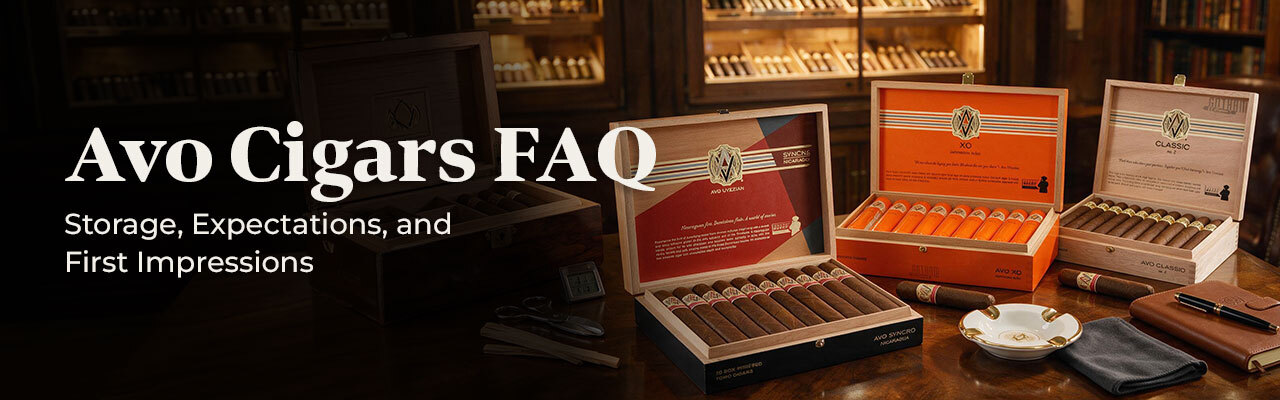
What if the secret to a perfect first smoke isn't finding the most expensive label, but finding a blend crafted with musical precision? It's common for cigar beginners to feel overwhelmed by the thousands of brands available or worry that a premium cigar might be too strong for their palate. You want a smooth, enjoyable experience without the frustration of a bad light or the fear of getting sick from a heavy blend.
This beginner cigar guide answers your most common avo cigar beginner questions to ensure your first impression is flawless. You'll master the fundamentals of premium cigars and discover why AVO cigars provide the perfect entry point for developing a sophisticated palate. We'll show you how to confidently select mild cigars and perform the cutting and lighting ritual with expert precision.
Our cigar FAQ breaks down the essential storage tips and the specific reasons why aged Dominican tobacco is preferred for those just starting out. From the initial spark to the final draw, you'll gain the knowledge needed to enjoy your smoke like a seasoned enthusiast. Let's clear the air and prepare you for a truly elevated smoking experience.
Key Takeaways
- Differentiate between tobacco strength and body to prevent nicotine sickness and ensure your first experience is smooth and enjoyable.
- Use this Beginner Cigar Guide and Cigar FAQ to answer your avo cigar beginner questions and discover why AVO Cigars are the ideal Premium Cigars for Cigar Beginners seeking Mild Cigars crafted with Dominican Tobacco.
- Master the "toast and light" ritual and the five-step straight cut to ensure a perfect burn and an effortless draw.
- Learn why a humidor is a non-negotiable requirement for protecting your cigars and how to handle your smoke using the "one-inch ash" rule.
Why Your First Choice Defines Your Premium Cigar Experience
Your first premium cigar sets the tone for your entire journey into the world of fine tobacco. Choosing a high-quality stick ensures you experience the craft as intended, rather than struggling with an uneven burn, a clogged draw, or an overwhelming nicotine rush. Quality and construction are paramount when developing your palate.
Understanding Construction Tiers: Short, Mixed, and Long-Filler
To make an informed selection, you must understand how a cigar is constructed inside its wrapper leaf:
- Machine-Made Short-Filler: Uses chopped scraps and paper-like homogenized binders. These burn rapidly, run hot, and lack complex flavor transitions.
- Mixed-Filler ("Cuban Sandwich"): A middle tier consisting of chopped long-filler trimmings wrapped inside a whole-leaf binder and wrapper. While hand-rolled and affordable, mixed-filler cigars often suffer from inconsistent density, loose draws, and flaky ash.
- Premium Long-Filler: Contains 100% whole tobacco leaves running the full length of the cigar, hand-rolled by master torcedores. This traditional craftsmanship ensures a slow, cool burn and complex, evolving flavors. Premium Dominican tobacco is completely pure, consisting solely of leaf, water, and natural vegetable gum.
How Nicotine Absorption Works
Many beginners mistakenly believe cigar smoke should be inhaled like cigarette smoke. However, cigar smoke is alkaline, meaning nicotine is absorbed directly through the mucous membranes of the mouth and palate—not the lungs. Inhaling cigar smoke is harsh, unnecessary, and counterproductive to enjoying the subtle flavors of the leaf. Simply draw the smoke into your mouth, taste the notes on your palate, and gently puff it out.
Strength vs. Body and the Mild Entry Point
Novices often confuse "strength" with "body." Strength refers strictly to the nicotine content and its physiological impact on your system. Body describes the depth, texture, and richness of the smoke on your palate.
Starting with high-strength sticks can lead to "cigar sickness," characterized by dizziness, cold sweats, or nausea. Mild cigars offer a gentler entry point while your system adjusts. These lighter blends highlight inviting notes of sweet cream, cedar, and roasted nuts, making it easier to detect flavor transitions as the session progresses.
The Quick Fix for Cigar Sickness: If you ever feel dizzy or nauseated while smoking, do not panic. Nicotine causes a rapid drop in blood sugar. Consuming sugar—such as eating a spoonful of white sugar, drinking a non-diet soda, or having a piece of candy—will raise your blood sugar and neutralize nausea within minutes.
Understanding these distinctions clarifies why brands like AVO prioritize balance and harmony over brute strength. Selecting a well-constructed, mild-to-medium premium cigar prevents a bad initial experience and sets the foundation for a lifetime of appreciating fine tobacco.
The Science of Dominican Tobacco and Mild Profiles
The terroir of the Dominican Republic is the primary reason Dominican tobacco is world-renowned for its smoothness. While volcanic soil in other Central American countries yields high-strength leaves with an aggressive spice, the mineral-rich sedimentary soil of the Cibao Valley produces tobacco with a subtle, aromatic profile. This geographic advantage provides a smooth foundation that delivers depth without overloading a beginner's palate.
Two Stages of Leaf Preparation: Fermentation vs. Bale Aging
Achieving this refined profile requires two distinct, chemical preparation stages after harvesting:
- Fermentation (The Cleanse): Leaves are stacked in large piles called pilones. The pressure generates internal heat (typically 100°F to 140°F), driving off harsh ammonia, bitter resins, and excess nitrogen over several weeks to months. This stage purges the raw, astringent qualities of young tobacco.
- Bale Aging (The Harmonization): Once fermented, the leaves are packed into burlap-bound bales to rest for 2 to 5 years. During bale aging, the remaining natural sugars and essential oils slowly oxidize and harmonize, smoothing out the smoke and removing any lingering bite.
Understanding the Connecticut Shade Wrapper
Mild cigars frequently pair smooth Dominican filler leaves with a golden-brown Connecticut Shade wrapper. It is important to clarify that this wrapper is not grown in the Dominican Republic; true Connecticut Shade is cultivated in the Connecticut River Valley in the United States or grown under natural cloud cover in Ecuador (Ecuadorian Connecticut).
To produce these delicate leaves, fields are covered with giant tents of cheesecloth to filter out direct sunlight. This shade-grown method yields key characteristics for a beginner-friendly smoke:
- Silky Texture: The leaves stay thin, supple, and elastic with a high oil content.
- Controlled Strength: Reduced UV sunlight prevents the dense sugar and heavy spice development typical of sun-grown leaves.
- Creamy Profile: The wrapper contributes a signature creamy texture with subtle tasting notes of sweet cedar, hay, and buttered toast.
The True Role of Dominican Piloto Cubano Seeds
Contrary to the common misconception that Piloto Cubano is a light, novice-friendly tobacco, Piloto Cubano is actually one of the strongest, fullest-bodied tobacco strains in the Dominican Republic. Originating from seeds brought from Cuba’s famous Vuelta Abajo region in the 1960s, this leaf naturally packs high nicotine, bold earthiness, and rich spice.
Master blenders do not use Piloto Cubano as the primary filler for a mild cigar. Instead, they incorporate it in small, precise percentages within the filler core. In a mild-to-medium Dominican blend, Piloto Cubano acts as the engine of the cigar—providing just enough structural backbone, spice, and aromatic depth to keep a creamy Connecticut smoke from becoming bland or one-dimensional.
AVO Cigars: The Ideal Gateway for New Aficionados
Avo Uvezian lived by the philosophy of "savoring every note." As a world-renowned jazz pianist, he approached tobacco blending like a musical composition, seeking harmony, rhythm, and subtle transitions in every leaf. This artistic legacy makes AVO Cigars an ideal gateway for beginners who want to experience luxury construction without being overwhelmed by aggressive strength. The brand's focus on technical precision ensures a consistent, effortless draw that eliminates common beginner struggles with tight or uneven burns.
Portfolio Progression: Classic, XO, and Heritage
Selecting the right stick requires understanding where each line sits on the strength and body spectrum:
- The Entry Point — AVO Classic: The flagship smoke utilizes a silky American Connecticut Shade wrapper over aged Dominican fillers. It delivers a mild-to-medium profile defined by sweet cream, roasted nuts, and light cedar, making it the most approachable option for a novice palate.
- The Bridge Line — AVO XO: Jumping directly from a mild cigar to a full-bodied one can shock your system. The AVO XO serves as the ideal stepping stone. Featuring extra-aged Dominican tobacco, it steps up to a true medium body—introducing layered notes of dried fruit, warm oak, and baking spices like nutmeg without adding heavy nicotine strength.
- The Advanced Step — AVO Heritage: Utilizing a dark Ecuadorian Sun Grown wrapper and a higher percentage of spicy Piloto Cubano filler, the Heritage line is robust, spicy, and full-bodied. This blend is best reserved for when your palate and nicotine tolerance have fully developed.
The Physics of the Robusto: Why Ring Gauge Matters
For your first smoke, vitola selection is just as critical as the blend. A Robusto format (5 inches long with a 50 ring gauge) is strongly recommended for beginners due to the mechanics of smoke delivery:
- Cooler Smoke Temperatures: A 50 ring gauge (50/64ths of an inch in diameter) allows for broader airflow through the interior filler, keeping the ember (or "cherry") burning cooler than in a thin cigar.
- Wrapper-to-Filler Ratio: Thicker ring gauges contain a higher proportion of filler leaves relative to the wrapper. This dilutes wrapper intensity and creates a more forgiving, creamier delivery on the palate.
- Manageable Duration: A Robusto offers a comfortable 45 to 55-minute session, giving you enough time to enjoy the flavor evolution without feeling fatigued.
What to Expect During an AVO Classic Smoke Session
Lighting up an AVO Classic Robusto reveals a structured, three-stage evolution powered by its flawless American Connecticut Shade wrapper and aged Dominican core:
- The First Third: The initial light introduces a crisp cedar aroma, soft floral notes, and a touch of sweetness. The retrohale is completely gentle, with zero nasal burn.
- The Middle Third: As the burn progresses, the smoke thickens into a creamy texture. Dominant flavors of roasted almonds, buttered toast, and sweet cream take center stage on your palate.
- The Final Third: Where lesser cigars often turn hot, bitter, or tar-heavy near the cap, the AVO Classic maintains its refined balance. The Piloto Cubano in the filler gently asserts itself, introducing a subtle warmth and woodiness while remaining smooth down to the nub.
Mastering the Ritual: Cutting, Lighting, and Tasting
The preparation process is a critical part of the premium cigar experience. Mastering the ritual ensures you don't waste a high-quality stick through poor technique. Precision in cutting, lighting, and maintaining your cigar is the difference between a bitter, frustrating draw and an effortless smoke.
Cutting Options: Guillotine, V-Cutter, and Punch
Locate the "cap" at the head of the cigar before making your move. This is the small piece of leaf glued over the end to secure the wrapper. Cutting too deep into the body severs the cap's bond, causing the wrapper to unravel.
While a traditional straight guillotine cutter works well when taking off just 1/16th of an inch above the shoulder, two alternative tools are virtually foolproof for beginners:
- V-Cutter (Wedge Cut): In cises a clean, V-shaped notch into the head of the cigar. Because the outer walls of the cap remain entirely intact, a V-cutter eliminates the risk of slicing past the cap boundary.
- Punch Cutter: Uses a circular blade to core out a small hole in the center of the cap. It requires zero precision regarding the shoulder line, making unraveling nearly impossible.
Lighting Parameters: Flame Distance and Mechanics
Never use fluid lighters (like Zippos) or sulfur matches; chemical odors penetrate porous Dominican tobacco instantly. Clean-burning, odorless butane is the industry standard.
When lighting, distance is everything. Direct flame contact scorches the leaf's essential oils, causing immediate bitterness. Torch flames burn at significantly higher temperatures than soft butane flames, requiring extra distance:
- Maintain Distance: Hold the foot of the cigar at a 45-degree angle, exactly 3/4 inch to 1 inch above the flame tip. Never let the fire directly touch the leaf.
- Toast the Foot: Rotate the cigar slowly in your fingers to toast the entire outer rim until it glows orange and burns evenly.
- Puff and Rotate: Place the cigar in your mouth and take gentle puffs while continuing to rotate the foot above the heat source until a glowing cherry forms across the entire foot.
Tasting Mechanics and The "Purging" Technique
Always puff gently—never inhale into your lungs. Cigar smoke is alkaline and meant to be savored on the palate. To unlock deeper wood and cream notes, try retrohaling by pushing a small portion of the smoke gently out through your nose to engage your olfactory senses.
If your cigar goes out mid-session or burns unevenly, taking a direct puff upon relighting will draw stale, bitter carbon buildup onto your palate. Master the purging technique instead:
How to Purge: Before relighting, hold your lighter flame 1 inch from the foot and gently blow air OUT through the cigar for 3 to 5 seconds. This expels stale carbon gases trapped inside the core and ignites them at the foot, clearing out bitterness so your next puff tastes fresh and clean.
Building Your Collection and Essential Etiquette
Transitioning from a casual smoker to a humidor owner requires more than just picking good cigars; you must protect your tobacco investment by controlling its environment. Humidity and temperature fluctuations damage leaf construction, cause delicate wrappers to crack, and lead to poor burns. Proper storage ensures your cigars taste exactly as the master blender intended.
Modern Humidor Storage: Moving Past the Outdated "70/70 Rule"
For decades, traditional guides recommended keeping humidors at 70% relative humidity (RH) and 70°F. Modern master blenders and aficionado consensus now agree that 70% RH is too wet, especially for refined Dominican cigars. Excessive moisture leads to tight draws, soggy cigar feet, uneven burn lines, and severe mold risks.
Today, the recommended target is 62% to 68% relative humidity (with 65% RH widely considered the sweet spot for Dominican blends):
- Seasoning Your Humidor: Spanish cedar humidors must be properly seasoned before storing cigars. If you place dry cedar directly with your cigars, the unseasoned wood will leach moisture straight out of the leaves. Season wood humidors using dedicated seasoning packs or distilled water wipes for several days until the wood stabilizes.
- Two-Way Humidity Control: Ditch traditional green foam sponges, which breed bacteria and release uncontrolled bursts of moisture. Modern two-way humidity packs (such as Boveda) automatically absorb excess moisture or release humidity as needed, providing foolproof, maintenance-free climate control.
- Digital Monitoring: Use a calibrated digital hygrometer rather than cheap analog dials to accurately monitor your storage space.
Avoid the Refrigerator Myth: Never store cigars in a household refrigerator. Refrigerators run far too dry and expose porous tobacco leaves to lingering food odors that permanently taint their flavor profile.
Lounge Etiquette and The Physics of Ash
Finding the right setting for your session is essential. Allow at least 60 minutes for a Robusto so you aren't forced to rush. Rushing leads to over-puffing, which overheats the internal core and creates a harsh, burnt-caramel bitterness.
When smoking in a lounge or social setting, following unwritten cultural etiquette ensures you are welcomed back:
- The One-Inch Ash Rule: Never tap a premium cigar like a cigarette. Allow the ash to build to about an inch before gently resting it against the side of the ashtray to roll off. The physics matter: the head of ash acts as a thermal insulator over the burning core ("cherry"). Tapping the ash off constantly exposes the live ember to excess oxygen, causing it to burn too hot and spoiling subtle flavor nuances.
- Extinguishing Etiquette: When finished, never stub or crush your cigar out. Stubbing breaks open the binder and releases a wave of foul, acrid smoke that ruins the room's atmosphere. Simply lay the cigar flat in the rest of the ashtray and let it go out gracefully on its own.
- Sharing a Light: It is polite to offer a torch to a peer, but never hold the flame directly to another smoker's cigar—allow them to control their own flame distance.
Elevate Your Smoking Journey with AVO
Starting your journey into fine tobacco with a focus on balance and craftsmanship ensures a smooth, enjoyable entry into the hobby. By selecting aged Dominican tobacco, understanding wrapper mechanics, mastering the cutting and lighting ritual, and maintaining proper humidor humidity, you set yourself up for a consistent draw and exceptional flavor from the very first spark.
Troubleshooting Common Burn Anomalies
Even well-constructed premium cigars can occasionally burn unevenly due to minor drafts, imperfect lighting, or ambient humidity shifts. Knowing how to fix these common issues keeps your session enjoyable:
- Canoeing (One Side Burning Faster): If one side of the wrapper burns ahead of the other, rotate the cigar so the lagging side is positioned at the bottom—heat rises naturally, helping the unburnt side catch up. If the burn remains uneven, apply a quick, targeted touch-up with your torch flame directly to the unburnt rim to level the ring of fire.
- Tunneling (The Center Burning Faster Than the Wrapper): Tunneling occurs when the filler core burns inward, leaving a hollow hole while the outer wrapper remains intact. This usually happens when you puff too rapidly. To fix it, purge the cigar gently, use your torch lighter to burn away the unburnt outer wrapper down to the level of the glowing cherry, and slow your smoking cadence to one puff every 60 to 90 seconds.
Ideal Beginner Beverage Buffers
For your first few smoke sessions, pairing your cigar with a sugar-rich, non-alcoholic beverage serves two vital purposes: the sugar provides a proactive safety buffer against nicotine-induced nausea, while the flavor profile complements the creamy, woody notes of mild Dominican tobacco:
- Cream Soda: The smooth vanilla sweetness directly mirrors the natural heavy cream and buttered toast characteristics of mild Dominican blends like the AVO Classic.
- Dr Pepper or Root Beer: The rich blend of caramel, sassafras, and fruit undertones in these sodas cuts through smoke texture while complementing underlying cedar and baking spice notes.
- Sweetened Cuban Coffee (Cafecito or Cortadito): A classic pairing where bold espresso cuts through smoke creaminess, while the dissolved sugar maintains steady blood glucose levels.
Start Your Journey with Confidence
Equipping yourself with the right knowledge, proper tools, and stable humidor conditions transforms a simple smoke into a refined relaxation ritual.
Gotham Cigars has supported enthusiasts since 2001 with responsive customer service and a climate-controlled warehouse that guarantees every stick arrives in pristine condition. If you want to continue expanding your palate with expert guidance, the Gotham Cigars Cigar of the Month Club offers a curated path for beginners to explore new mild-to-medium blends from around the world every month.
Explore the complete collection of AVO Cigars at Gotham Cigars today to select your entry point, light up with confidence, and discover the rhythm of a well-crafted smoke.
Frequently Asked Questions
How long does an AVO Classic Robusto take to smoke?
An AVO Classic Robusto typically takes between 45 and 60 minutes to finish. This timeframe allows the 50 ring gauge cigar to burn at a cool, steady pace. You should avoid rushing the experience, as puffing too frequently can cause the tobacco to overheat and turn bitter.
Should I remove the band from my AVO cigar before lighting?
You should leave the band on the cigar for the first ten to fifteen minutes of your smoke. The heat from the burning tobacco will naturally soften the adhesive used on the band. This makes it much easier to slide the band off without accidentally tearing the delicate wrapper leaf.
Why do AVO cigars use Dominican tobacco instead of Nicaraguan?
AVO blends utilize Dominican Tobacco because it is prized for its aromatic complexity and smooth, mellow character. Nicaraguan leaves tend to be denser and spicier, providing a much higher nicotine kick. This commitment to a refined, balanced profile is why many enthusiasts include AVO in any Beginner Cigar Guide.
Is it normal to feel dizzy during my first premium cigar?
Dizziness is a common physiological reaction to nicotine for those who are not yet accustomed to Premium Cigars. This usually happens if you smoke too fast or accidentally inhale. If you feel lightheaded, slow down your puffing rate and have a sugary snack or drink to quickly stabilize your system.
What is the best drink to pair with a mild AVO cigar?
Coffee and creamy lattes are the ideal pairings for a mild AVO because they highlight the blend's natural notes of cedar and nuts. Pairing your smoke with a specialty roast like Bambi Nonno Coffee ensures that the beverage matches the quality of the tobacco. For an evening session, a light aged rum or a glass of sparkling water will cleanse your palate without overwhelming the tobacco. These choices help answer many avo cigar beginner questions regarding flavor enhancement.
How can I tell if an AVO cigar is authentic?
Authenticity is guaranteed when you purchase from authorized, reputable retailers that maintain high storage standards. You can also inspect the band for crisp, embossed printing and look for consistent, firm construction throughout the body of the stick. Genuine AVOs will never have soft spots or jagged, uneven wrappers.
Can I save a half-smoked cigar for later?
You can relight a cigar if it has been out for less than an hour, but the flavor will inevitably change. If you must save it, blow through the cigar to clear out stale smoke and cut off the ash and the burnt "cherry." Never place a partially smoked stick back in your humidor, as the charred odor will ruin your entire collection.
What should I do if my cigar keeps going out?
If your cigar won't stay lit, you are likely puffing too slowly or your humidity level is too high. This Cigar FAQ suggests a pace of one puff every 60 seconds to keep the foot burning evenly. If your humidor is consistently above 72% humidity, your cigars may be too damp to maintain a proper light.
Expand Your Knowledge:
- The Avo Experience: Rhythm, Relaxation, and Modern Premium Cigars
- How Music and Rhythm Influenced the Identity of Avo Cigars
- Avo Cigars and the Relaxed Premium Smoking Style
- Understanding the Smooth Profile Often Associated With Avo Cigars
- When Avo Fits the Moment: Social Evenings, Quiet Reflection, or Travel
- Pairing a Smooth Premium Cigar With Coffee, Wine, or Light Spirits
- Short Break vs Long Lounge Session: Avo in Different Smoking Rhythms
- What Makes Avo Different From Other Premium Handmade Cigars
- The Legacy Behind the Avo Name and Its Modern Appeal
- Avo Classic vs Avo Syncro: Smooth Traditional Style vs Modern Blend Direction
- Avo Syncro Nicaragua vs Avo Syncro Fogata: How the Experience Changes
- Avo XO vs Avo Classic: Refined Smoothness vs Everyday Premium
- Avo Syncro vs Traditional Avo Lines: What Feels Different in the Smoke
- Avo Maduro vs Avo Classic: How the Flavor Profile Shifts
- Short Session vs Long Lounge Smoke: Choosing the Right Avo Style
- Avo Cigars vs Other Premium Cigars: What Sets the Experience Apart
Recent Posts
-

Holiday Gift Guide for Cigar Lovers: Gifts for Every Type of Enthusiast
Finding the right holiday gift for a cigar lover doesn't have to mean choosing the most expensive b …13th Nov 2026 -
Cigar Review | Avo Cigars No.2 Cigar is One of the Best
I'm not a cigar expert, but I know when I get my hands on something good, and this weekend I defini …11th Nov 2026 -
Top Five Avo Cigars and a History of Avo
"I have always loved beautiful music. Then I found the cigar. A good cigar is like music. Now I hav …6th Nov 2026