
Rough-Cut vs Smooth-Wrapped Cigars: Understanding the Backwoods Style
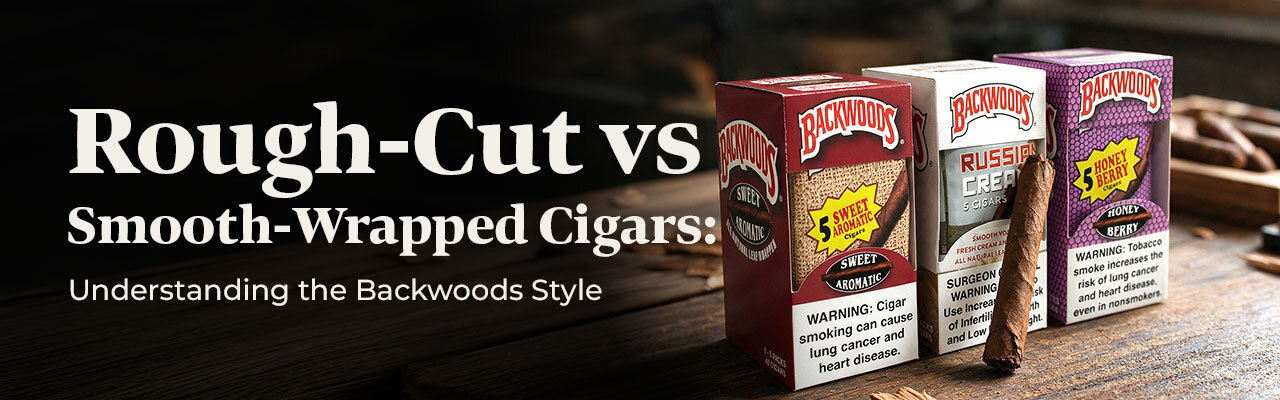
The most visually perfect cigar isn't always the most flavorful. While a smooth leaf looks stunning, the rugged appearance of rough cut cigars offers a raw intensity that many enthusiasts prefer. It's easy to feel confused when a wrapper looks unrefined, especially if you're used to the seamless finish of traditional cigar wrappers or high-end premium cigar wrappers.
You don't have to choose between beauty and taste once you understand the nuances of cigar craftsmanship. Whether you're feeling the oily, supple surface of a natural leaf wrapper or the toothy, rugged grain of rustic cigars, the leaf texture dictates the burn rate and flavor transition. This cigar comparison will help you understand why an unrefined look often hides a complex, earthy profile that rivals the most polished sticks.
We'll explore the specific differences in a rough cut vs traditional cigar wrap to ensure you make informed buying decisions. You'll learn how these styles impact your sensory experience and which occasions call for a "messy" but delicious smoke. Whether you're reaching for a Montecristo White Series or a rustic Backwood Cigars Honey Berry, knowing your wrapper is the key to a perfect burn.
Key Takeaways
- Understand why the wrapper leaf accounts for 60% to 90% of a cigar's total flavor profile and serves as the primary indicator of fermentation quality.
- Compare the aesthetic precision of traditional cigar wrappers against the raw, shaggy-ended construction favored by fans of rough cut cigars.
- Evaluate the technical performance of a rough cut vs traditional cigar wrap, focusing on burn evenness and how different leaf textures respond to environmental humidity.
- Learn to select the right cigar for any setting, from polished premium sticks for formal celebrations to durable, rustic cigars for outdoor activities like hiking or golfing.
The Role of the Wrapper in Cigar Craftsmanship
A cigar wrapper is the outermost leaf responsible for flavor delivery, burn regulation, and visual appeal. It is both the first component you see and the most immediate leaf your palate encounters. While filler leaves construct the core strength and volume of a blend, the wrapper exerts a powerful influence over flavor delivery.
However, a wrapper's proportional impact—often estimated between 60% and 80% of a cigar's flavor profile—depends heavily on the stick's ring gauge (diameter, measured in 64ths of an inch):
- Slender Vitolas (e.g., Lancero, 38 to 40 Ring Gauge): Possess a high wrapper-to-filler ratio. Because there is less filler tobacco inside, the wrapper leaf dominates the profile, contributing up to 80% of the total flavor.
- Large Vitolas (e.g., Gordo, 60+ Ring Gauge): Contain a massive bundle of filler leaves. The wrapper plays a smaller proportional role, contributing closer to 20% to 30% of the overall taste experience, with the internal filler blend driving the majority of the profile.
High-quality cigar wrappers must be elastic, oily, and free of protruding veins that could disrupt combustion or compromise structural integrity. Whether examining a silky Montecristo White Series or the rugged exterior of a rough-cut stick, leaf quality sets the foundation for every draw.
Anatomy of a Premium Leaf and Botanical Primings
A common misconception in tobacco viticulture is that middle-lower leaves (Seco) are preferred for wrappers. In reality, lower stalk leaves like Volado and middle-lower leaves like Seco produce thin, combustively mild leaf primarily harvested for binders and filler balance.
Premium wrapper leaves are harvested from upper-middle primings—specifically Viso and Centro Fino—or top Corona leaves:
- Sun Exposure & Oil Production: Positioned high on the plant, these upper leaves absorb maximum sunlight, driving intense photosynthesis that creates high oil density, rich pigment, and thick cellular structure.
- Elasticity & Fermentation: The concentrated oils give upper-priming leaves the elasticity needed to stretch tightly around a binder without tearing.
During multi-stage fermentation, heat breakdown transforms raw green leaf into rich ambers, deep red Habano hues, or dark chocolate Maduros. Patient aging then strips away residual bitterness, enhancing essential oils to yield a silky, smooth-burning wrapper leaf.
Why Wrapper Choice Matters
Wrapper selection directly influences draw resistance, burn temperature, and smoke volume. Fine-grained, shade-grown wrappers allow for an effortless draw and a cool burn. In contrast, thicker, sun-grown broadleaf wrappers contain higher oil concentrations that act as natural fire retardants, elevating the burn temperature and intensifying spice notes.
This technical distinction creates a noticeable contrast in "mouthfeel":
- Traditional Premium Wrappers: Offer a smooth, clean, and buttery feel against the lips.
- Rustic Broadleaf Wrappers: Provide a textured, tactile experience that feels raw and unrefined.
Every detail—from a leaf's vertical priming position to its sugar content—dictates whether a cigar delivers a delicate, creamy morning smoke or a bold, spicy evening ritual.
Traditional Cigar Wrappers: The Pursuit of Perfection
Traditional wrappers represent the peak of agricultural precision. Master rollers (Torcedores) select leaves exhibiting zero visual blemishes to ensure a seamless cap and virtually invisible seams. This luxury finish is a hallmark of iconic hand-rolled lines like the Montecristo White Series and Romeo y Julieta Reserva Real. Unlike the rugged look of rough-cut sticks, traditional cigars undergo rigorous visual sorting by shade, oil content, and elasticity to maintain complete uniformity across every box.
The Spectrum of Traditional Wrappers
To fully appreciate traditional cigar craftsmanship, enthusiasts look across a broad spectrum of wrapper varieties cultivated in world-class growing regions:
- Connecticut Shade: Grown under protective cheesecloth canopies in the Connecticut River Valley or Ecuador to filter sunlight. This process yields a thin, golden-brown leaf known for silky elasticity and a smooth, buttery, mild-to-cream profile.
- Habano: Sun-grown from Cuban-seed stocks primarily in Nicaragua, Ecuador, and Honduras. Heavy sun exposure produces an oily, reddish-brown leaf packed with bold spice, cedar, and pepper notes.
- Cameroon: Cultivated in Central West Africa, this delicate leaf is world-renowned for its "toothy" grain—microscopic oil pockets on the surface—delivering a sweet-and-spicy balance with subtle earthy undertones.
- San Andrés: Harvested from the rich volcanic soil of Mexico’s San Andrés Valley. This thick, durable leaf withstands intense heat, producing a dark, mineral-rich wrapper loaded with notes of dark chocolate, espresso, and leather.
- Candela: A distinct bright-green wrapper created through a specialized flash heat-curing process in sealed, heated barns. By rapidly drying the leaf over high heat, chlorophyll is locked into the cellular structure before it can break down, yielding an herbal, grassy, and ultra-mild smoke.
Maduro: Mechanics of Deep Fermentation and Pilones
Maduro (meaning "ripe" or "mature") does not designate a seed variety, but rather an intensive, multi-year fermentation protocol applied to thick, resilient leaves like Connecticut Broadleaf or Mexican San Andrés.
Unlike lighter wrappers that undergo gentle curing, true Maduro leaves undergo a physical transformation driven by controlled microbial fermentation:
- Bulk Stacking in Pilones: Cured leaves are stacked into massive, moist bulks called pilones, often weighing several thousand pounds.
- Enzymatic Heat Generation: Controlled moisture triggers intense internal microbial activity, driving core temperatures up to 140°F to 150°F. Master blenders must periodically dismantle and rebuild (turn) the pilon to rotate outside leaves inward and prevent heat scorching.
- Chlorophyll Breakdown & Sugar Caramelization: This sustained heat drives the enzymatic breakdown of raw chlorophyll and ammonia while caramelizing natural leaf starches into rich, dark sugars.
Over two to five years of patient pilon aging, the leaf darkens to a deep mahogany or near-black hue. Lines like the Arturo Fuente Hemingway Maduro demonstrate how this slow-burn fermentation yields a oily, dense wrapper packed with natural cocoa, coffee, and dark fruit nuances.
Rough Cut and Rustic Cigars: Embracing the Natural Leaf
While traditional hand-rolled sticks chase visual perfection, rough-cut cigars celebrate the unrefined, authentic nature of the tobacco plant. Instead of seamless caps or polished edges, these sticks feature frayed "shaggy" ends, visible veins, and exposed binder leaves that deliver a straightforward, field-to-smoke session.
The backbone of this rustic category is Connecticut Broadleaf—a distinct sun-grown tobacco harvested using a technique known as stalk-cutting (stalk-cured). Rather than harvesting individual leaves from the bottom of the plant upward over several weeks (priming), farmers chop down the entire tobacco stalk at its base. The plant is hung whole inside curing barns, allowing the leaves to draw residual sap and nutrients from the stalk as they dry. This yields a thick, dark, oily leaf with a bold, earthy flavor profile.
The Science of Foil Packaging: Humectants and Casings
A critical technical question is how un-aged natural broadleaf wrappers survive mass retail distribution in foil packaging without drying out or requiring a humidified lounge environment. Delicate premium cigars would quickly lose moisture and crack outside a humidor, but rustic machine-made cigars remain pliable due to specialized conditioning:
- Food-Grade Humectants: Manufacturers treat the natural broadleaf with food-grade moisture-retaining agents, primarily propylene glycol. This non-toxic compound binds water molecules within the leaf tissue, preventing the cell walls from becoming brittle or shattering during shipping.
- Liquid Casings and Flavorings: Topical sugar dips and liquid casings are applied directly to the leaf. Beyond imparting signatures like honey, bourbon, or berry, these casings form a protective barrier that seals in internal moisture, keeping the outer broadleaf supple inside airtight foil pouches for months.
The Aesthetic of the Rough Cut and the "Shaggy Foot"
The deliberate, unpolished look of a rustic stick serves both aesthetic and functional purposes. One of its defining features is the "shaggy foot," where the filler leaf extends past the end of the wrapper. Lighting a shaggy foot allows you to taste the core filler blend alone for the first few draws before the fire reaches the broadleaf wrapper, providing a built-in contrast in flavor.
Their thick broadleaf wrapper also makes rough-cut sticks remarkably durable. Unlike fragile shade-grown leaves that crack under wind exposure or ambient humidity shifts, a stalk-cut broadleaf wrapper easily withstands handling during outdoor activities like hiking, fishing, or golfing.
Natural Leaf vs. Homogenized Leaf (HTL)
Smokers should clearly differentiate between a true natural broadleaf wrapper and homogenized tobacco leaf (HTL):
- Homogenized Tobacco Leaf (HTL): A manufactured, paper-like sheet made by pulverizing tobacco scraps into a pulp, combining them with synthetic cellulose binders, and rolling them into uniform sheets.
- Natural Broadleaf Wrapper: A whole, organic tobacco leaf retaining its original cellular structure, natural veins, and inherent plant oils.
Backwoods serves as the classic example of natural broadleaf construction in the mass-market space. Its appeal lies in delivering genuine tobacco leaf texture and rich casing flavors without requiring delicate handling or humidor storage.
Rough Cut vs. Traditional Cigar Wrap: A Technical Comparison
A technical comparison between rough-cut broadleaf wrappers and polished traditional wrappers reveals performance differences dictated by structural architecture, leaf thickness, and combustion physics.
Combustion Physics and Oil Density
The most immediate operational difference lies in burn consistency. Traditional aged wrappers (such as Connecticut Shade or Habano) undergo multi-year fermentation that breaks down volatile compounds, leaving a thin, uniform leaf structure. These thin leaves combust rapidly and cleanly at lower temperatures, producing a straight, sharp burn line ("razor burn").
Conversely, rustic Connecticut Broadleaf wrappers are thick, heavy, and less fermented. They retain high concentrations of dense natural plant oils:
- Oil as a Fire Retardant: Dense tobacco oils act as natural fire retardants, requiring higher combustion temperatures to stay lit.
- Burn Line Integrity: Because oil distribution across a raw broadleaf is naturally uneven, the fire front can move irregularly across the barrel, causing the burn line to wander or "canoe" if not monitored and corrected with a torch.
Technical Performance Breakdown
- Burn Precision: Smooth, thin traditional wrappers offer a predictable, straight combustion line; heavy, oily broadleaf requires higher heat and occasional maintenance.
- Environmental Durability: Thick broadleaf leaves resist cracking and handle ambient humidity swings far better than thin shade-grown wrappers, making them ideal for outdoor environments.
- Draw & Airflow Dynamics: Tightly rolled long-filler traditional cigars create controlled draw resistance that concentrates delicate flavor nuances. Looser short-filler rustic cigars facilitate effortless, high-volume airflow.
Thermal Dynamics and Smoke Volume
Leaf thickness governs thermal behavior during the smoke session. Thin shade-grown wrappers burn cooler and faster, preserving delicate aromatic nuances without scorching the tobacco. Thick broadleaf wrappers burn slower and hotter due to their oil mass. While broadleaf requires more heat to maintain combustion, its high oil density provides superior heat retention between puffs and produces a dense, heavy, and opaque smoke volume.
Aroma Chemistry and Room Note
The scent profile—or room note—produced by each wrapper style is driven by distinct chemical mechanics during combustion:
- Rustic Machine-Made Sticks: Emitted aromas stem largely from thermal combustion byproducts. As the burn front passes through topical liquid casings, sugar dips, and food-grade humectants (such as propylene glycol), it pyrolyzes these compounds, releasing sweet, caramelized, and heavily scented combustion byproducts into the surrounding air.
- Traditional Premium Wrappers: Combustion releases unadulterated essential oils, natural leaf terpenes, and pyrolyzed plant alkaloids (including nicotine and pyridine derivatives). This produces a clean, organic aroma characterized by natural wood, leather, cocoa, and spice notes without artificial sweet lingering scents.
Selecting Your Style: When to Choose Each Wrapper
Choosing between a rough-cut broadleaf wrapper and a refined traditional wrapper depends on your environment, activity level, and flavor goals. Traditional wrappers serve as the benchmark for formal lounge sessions, celebratory events, or slow-paced relaxation where intricate flavor transitions can be appreciated without environmental disruption. Conversely, rustic broadleaf sticks excel in rugged, active settings where thin, delicate leaves might crack, split, or unravel.
Pre-Light Diagnostic: Identifying Structural Wrapper Defects
Before lighting any premium cigar, performing a quick visual and tactile inspection helps identify structural defects that can disrupt combustion:
- Green Chlorophyll Spots ("Water Spots"): Bright green patches caused by uneven humidity or rushed heat curing that locks raw chlorophyll into the leaf tissue before it breaks down. While small spots are purely cosmetic, widespread green patches signal inadequate fermentation and can impart a harsh, bitter grassy taste.
- Heavy / Prominent Raised Veins: Oversized, thick veins that run along the barrel obstruct wrapper-to-binder contact. As the burn front hits a dense vein, it can retard combustion on one side, causing "canoeing" or "tunneling" (where internal filler leaves burn out the center while the outer wrapper remains unlit).
- Micro-Fractures and Dry-Pocket Cracking: Fine hairline cracks across the wrapper surface caused by low storage humidity (below 60% RH). When exposed to heat and moisture from the smoker's breath, these dry micro-fractures immediately expand and split open, destroying the draw and causing air leaks.
Beverage and Flavor Pairing Metrics
Pairing the right beverage with your wrapper style elevates the smoke session by harmonizing or contrasting key flavor notes:
- Connecticut Shade (Mild & Creamy): Pairs best with light-to-medium profiles that will not overpower subtle cedar and cream notes. Excellent choices include morning blonde roast coffee, lattes, crisp white spirits (unaged tequila or gin), or light Pilsners.
- Habano and San Andrés Maduro (Bold & Full-Bodied): Requires robust pairings capable of standing up to heavy spice, espresso, and dark cocoa profiles. Pair with aged bourbon, single-malt scotch, dark roast espresso, or imperial stouts.
- Sweet Rustic Broadleaf (e.g., Backwoods): High casing sweetness and punchy dark broadleaf profile pair naturally with casual, high-contrast outdoor beverages such as sweet tea, iced coffee, craft IPAs, or classic bourbon-and-cola.
Matching Wrappers to the Setting
Formal lounge environments call for the aesthetic precision of smooth, thin-veined wrappers like those found on the Montecristo White Series or Romeo y Julieta Reserva Real. These sticks require stable humidity and gentle handling to perform at their highest level. Active smokers find far greater practical value in rustic broadleaf sticks for "grab-and-go" utility, as their thick leaves withstand wind and minor physical impact.
For smokers seeking a bridge between infused sweetness and traditional construction, options like the Acid Kuba Kuba pair botanical infusion with traditional long-filler mechanics. Exploring a variety of wrapper styles—whether through curated samplers or the Gotham Cigars Cigar of the Month Club—allows you to systematically train your palate across various leaf textures, priming levels, and beverage pairings.
Master Your Wrapper Preferences
Your choice of leaf fundamentally changes how you experience a smoke. While traditional cigar wrappers provide the visual perfection and refined flavor transitions needed for a formal lounge setting, rough-cut broadleaf cigars offer the raw durability and punchy intensity that excels during outdoor activities. Understanding the nuances of leaf texture, oil density, and construction helps you select the right stick for any environment, whether it's a high-end celebration or a casual day on the golf course.
A Progressive Path to Training Your Palate
To truly master your wrapper preferences, we recommend taking a structured, progressive approach to tasting rather than jumping randomly between completely different blends. The most effective way to systematically train your palate is to build a "light-to-dark" sampler progression:
- Start Light (Connecticut Shade): Begin with a mild, buttery Connecticut wrapper to understand smooth, creamy baseline notes without overwhelming your palate with spice or heavy nicotine.
- Move to Medium (Habano or Sumatra): Transition into sun-grown Habano or Ecuador Sumatra wrappers to experience how increased oil content and sun exposure introduce baking spices, cedar, and subtle pepper.
- Finish Dark (San Andrés Maduro or Broadleaf): Finally, explore the dense, deep cocoa and espresso notes of a Mexican San Andrés Maduro or the earthy, sweet profile of a Connecticut Broadleaf.
This methodical progression allows you to isolate and identify exactly how wrapper fermentation, seed varietal, and leaf thickness directly impact flavor delivery and smoke volume.
Find Your Perfect Smoke
This rough-cut vs. traditional wrapper comparison highlights that there is no single best style—there is only the perfect choice for your current moment. At Gotham Cigars, we leverage over 20 years of industry expertise to curate a massive inventory of both premium cigar wrappers and rustic machine-made cigars. Our strict climate-controlled warehouse ensures every natural leaf wrapper maintains its structural integrity and essential oils until it reaches your door via fast, secure national shipping.
Explore our curated samplers and massive selection of premium and rustic cigars at Gotham Cigars to put this educational progression to the test. Whether you're chasing the silky smooth finish of a Montecristo or the bold, unapologetic character of a Backwoods, we have the perfect stick waiting for you. Happy smoking!
Frequently Asked Questions
What is a rough cut cigar?
A rough cut cigar is a stick that prioritizes a raw, field-to-smoke appearance over visual perfection. These cigars feature frayed ends, visible veins, and an unrefined edge that appeals to smokers seeking an authentic experience. Unlike the seamless finish of traditional wraps, this style celebrates the tobacco's natural state. It's a durable choice for outdoor activities where delicate leaves might crack.
Do darker cigar wrappers always mean a stronger flavor?
No, a darker wrapper doesn't automatically indicate a higher nicotine strength. The strength of a cigar is primarily determined by the filler blend, while the wrapper provides the majority of the flavor profile. A dark Maduro leaf is often sweeter and richer due to longer fermentation, but it can still be a mellow smoke. Always check the filler components for a true measure of strength.
Why do some cigars have frayed or shaggy ends?
Frayed or shaggy ends are a functional design choice in cigar craftsmanship. This construction allows the smoker to ignite only the wrapper leaf for the first few puffs. By doing this, you can experience the leaf's specific flavor profile before the binder and filler tobaccos join the mix. It's a great way to appreciate the nuances of the outer leaf's natural oils and sugars.
Is a natural leaf wrapper better than a traditional one?
Neither is objectively better; they serve different purposes. A natural leaf wrapper is typically thicker and more resilient to environmental changes, making it ideal for travel or outdoor use. Traditional wrappers offer a more refined, complex smoking experience with a focus on aesthetic beauty and a precise burn. Your choice should depend on whether you value rugged durability or polished sophistication for your session.
Can I store rough cut cigars in the same humidor as premium cigars?
You can store them together as long as they aren't flavored. If you're storing Rough Cut Cigars like Backwoods Honey Berry, keep them in a separate container or a travel humidor. The heavy infusions and bold aromas can easily migrate to your unflavored premium sticks, permanently altering their taste. For unflavored rustic sticks, the same humidity levels work perfectly well.
What makes a cigar wrapper "premium" quality?
A wrapper earns a premium designation based on its elasticity, oil content, and visual clarity. Premium cigar wrappers must be free of large protruding veins and physical blemishes that could disrupt the burn. The leaf must also be thin enough to burn evenly while possessing enough natural oils to provide a silky mouthfeel. This level of sorting is what separates luxury sticks from everyday utility cigars.
How does leaf texture affect the smoking experience?
The leaf texture dictates the burn temperature and smoke density of your cigar. Thicker, toothier leaves with a rugged grain tend to burn slower and hotter, which often results in a more pungent and opaque smoke volume. Smoother, thinner leaves burn cooler and more rapidly, preserving the delicate aromatic notes of the blend. This technical difference is a key factor in any rough cut vs traditional cigar wrap comparison.
Are Backwoods cigars considered rough cut?
Yes, Backwoods are the most recognizable examples of the rough cut style. They utilize a whole leaf with a shaggy foot and unfinished head, providing a rustic experience that many smokers enjoy for its simplicity. While they don't have the seamless finish of a Montecristo, their popularity stems from their reliable flavor and durable construction that doesn't require a humidor for short-term storage.
Recommended Articles:
- The Backwoods Experience: Rustic Style, Outdoor Culture, and Casual Smoking
- Why Backwoods Cigars Look Different From Traditional Cigars
- Backwoods and Outdoor Smoking Culture: Travel, Camping, and Social Moments
- Casual vs Formal Smoking: Where Backwoods Fits in the Cigar World
- Understanding the Rough-Cut Format and Natural Leaf Style
- Quick Break vs Long Session: How Backwoods Fits Different Smoking Moments
- Pairing a Rustic Cigar With Coffee, Beer, or Outdoor Settings
- Do Rustic-Style Cigars Need a Humidor? What to Know
- The Story Behind Backwoods and Its Outdoor Identity
- Backwoods vs Traditional Cigars: What Makes the Smoking Experience Different
- Casual Outdoor Smoke vs Lounge Cigar Experience: Where Backwoods Fits
- Quick Break vs Long Session: Choosing the Right Rustic Cigar Moment
- Natural Leaf Appearance vs Traditional Uniform Cigars: What Changes in the Feel
- Backwoods FAQ: Expectations, Storage, and First Impressions
Recent Posts
-

Holiday Gift Guide for Cigar Lovers: Gifts for Every Type of Enthusiast
Finding the right holiday gift for a cigar lover doesn't have to mean choosing the most expensive b …13th Nov 2026 -

Cigar Review | Avo Cigars No.2 Cigar is One of the Best
I'm not a cigar expert, but I know when I get my hands on something good, and this weekend I defini …11th Nov 2026 -
Top Five Avo Cigars and a History of Avo
"I have always loved beautiful music. Then I found the cigar. A good cigar is like music. Now I hav …6th Nov 2026